
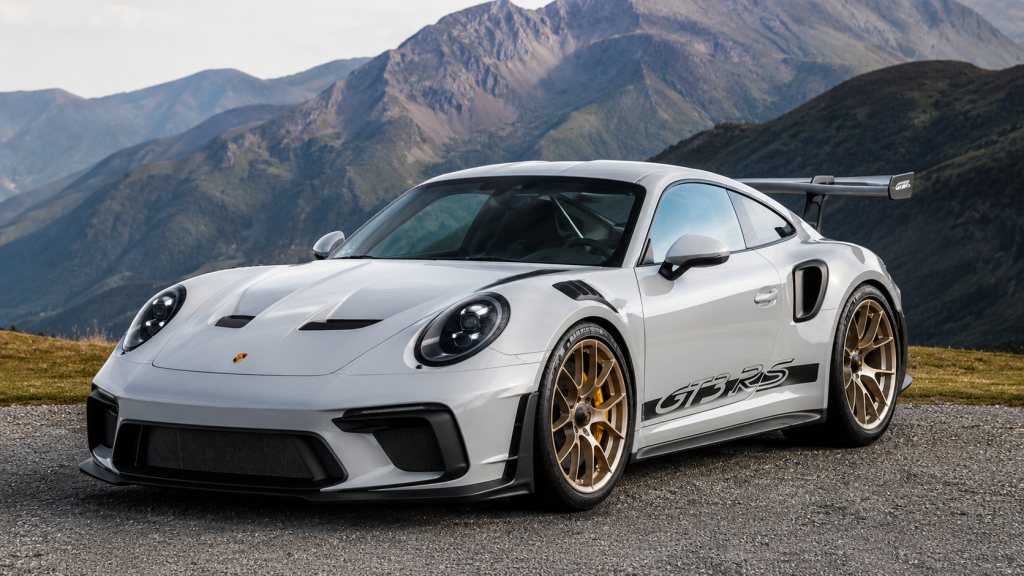
📍 ‘The Bottom Line: The next collector’s car is rarely the fastest or the most expensive.’
▪️More often, it’s the model everyone overlooks while chasing today’s headlines.
▪️History rewards those who recognise significance before the market does.
▪️Buying tomorrow’s modern classic isn’t about predicting the future.
▪️It’s about recognising the clues everyone else ignores.
▪️The greatest collector cars seldom announce themselves with fireworks.
▪️When the Ferrari F40, Porsche Carrera GT and Lexus LFA were new, plenty questioned their price, practicality or purpose.
▪️Time has been remarkably unkind to those opinions.
♔ What should you look for?
▪️The last of its kind. Final naturally aspirated engines, manual gearboxes or pure internal-combustion platforms often become milestones.
▪️Engineering over marketing. Cars developed because engineers wanted to build them, rather than accountants needed to sell them, tend to age exceptionally well.
▪️Limited production. Genuine scarcity matters, but only when accompanied by genuine desirability.
▪️A compelling story. Provenance isn’t created in an auction room. It begins on the drawing board.
♔ What should you avoid?
▪️Cars built solely to exploit fashion usually date as quickly as the fashion itself.
▪️Collector markets reward authenticity, not hype.
♔ Why it matters
▪️The best investments rarely feel obvious at the time.
▪️In motoring, the greatest opportunities often arrive disguised as yesterday’s showroom model.
▪️By the time everyone agrees a car is a modern classic, the market has already moved.
The real skill isn’t buying what’s popular.
📍 ‘It’s recognising what’s significant before everyone else does.’
