
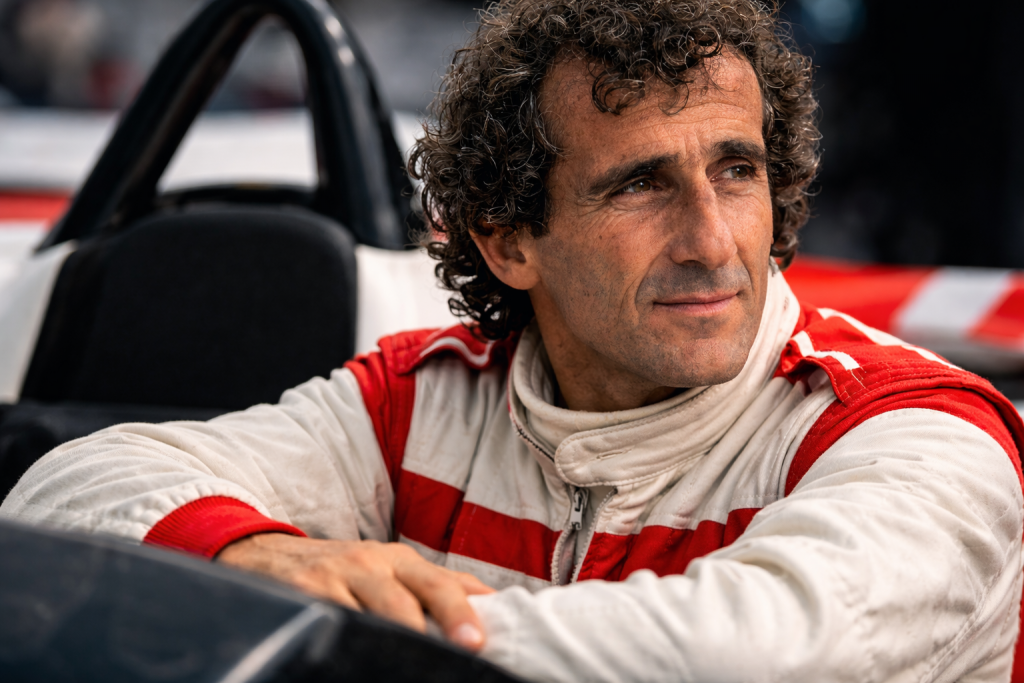
Some Formula One drivers relied on bravery. Others relied on speed.
📍 ‘Alain Prost relied on something far more dangerous: his brain.’
Nicknamed ’Le Professeur’, Prost turned Grand Prix racing into a chess match played at 200mph.
And with Formula One’s 2026 regulations placing far greater emphasis on energy management and strategic thinking, you cannot help wondering:
Would the Professor have been even more formidable today?
♔ Full Story
- 1955: Alain Prost is born in Lorette, France.
- Late 1970s: Rapid rise through junior formulas with a reputation for precision rather than flamboyance.
- 1980: Debuts in Formula One with McLaren.
- 1985–1986: Wins back-to-back World Championships, mastering race pace and tyre preservation.
- Late 1980s Rivalry with Ayrton Senna becomes the sport’s defining duel — instinct versus calculation.
- 1993: Secures a fourth World Championship with Williams F1 Team before retiring at the top.
◼︎ The Professor’s Method
Prost approached racing differently:
- Preserve the tyres
- Protect the machinery
- Calculate risk
- Strike when it mattered.
It was strategic patience, not theatrical aggression.
◼︎ Why the 2026 Era Feels Made for Prost
Formula One’s 2026 power-unit regulations will demand something new from drivers:
- More complex energy deployment
- Greater emphasis on race management
- Constant strategic decision-making
◼︎ In other words, the modern driver must increasingly become a thinking driver.
Exactly the discipline Prost perfected decades ago.
♔ Why it Matters
◼︎ At 71, Prost’s legacy feels remarkably modern.
Long before algorithms and telemetry dashboards dominated Formula One, Le Professeur was already doing the calculations in his head.
He didn’t simply drive the car.
📍 ‘He managed the race.’
