
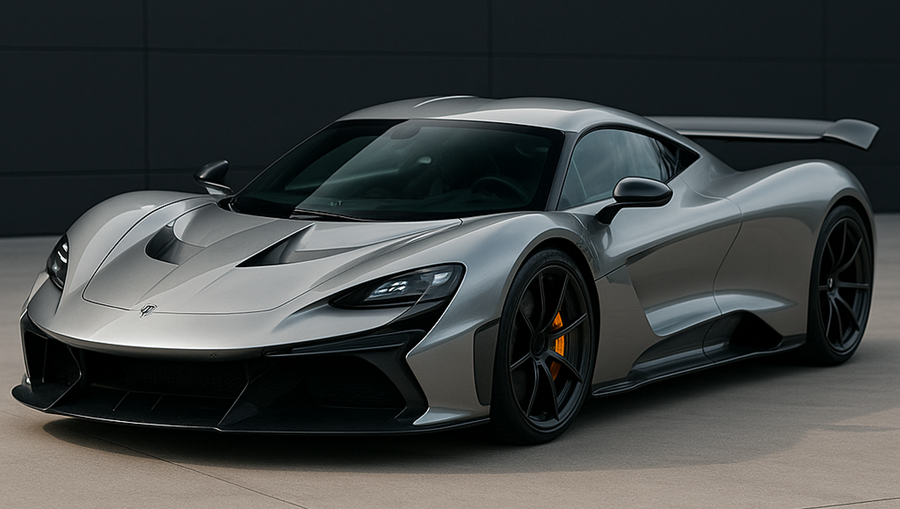
📍 ‘Some hypercars age like fine wine. Others depreciate like freshly opened champagne.’
Once, a hypercar was whispered about.
Built slowly. Sold quietly. Delivered to people who knew people.
Now they arrive at speed — often electric, sometimes overwhelming, and occasionally before the last one has finished depreciating.
The hypercar hasn’t lost its magic.
But it has gained competition.
The full story
◼︎ Hypercars are a relatively recent invention. Two decades ago, you could name them without pausing for breath. Today, you need a spreadsheet.
◼︎ The last twenty years have seen the segment explode.
◼︎ Ferrari and Bugatti remain immovable forces, but they now share the stage with disruptors.
◼︎ Rimac, Koenigsegg, and Gordon Murray Automotive haven’t just joined the club — they’ve rearranged the furniture.
◼︎ The great catalyst has been electrification. Hybrid and electric powertrains have lowered barriers to entry while pushing performance into once-absurd territory.
◼︎ Numbers that would have ended boardroom discussions in the 1990s are now brochure material.
◼︎ Demand has followed wealth.
◼︎ A growing global population of high-net-worth buyers wants extremes — speed, technology, exclusivity — and manufacturers have responded by building more cars, even within ‘limited runs.’
◼︎ That abundance brings tension. Some hypercars remain blue-chip assets. Others have reminded owners that innovation and residual values don’t always travel together.
◼︎ Technology accelerates. Character still matters.
Why it matters
◼︎ In an increasingly crowded hypercar market, price alone no longer guarantees desirability.
The survivors will be the cars that combine engineering theatre with emotional longevity — not just tomorrow’s fastest, but the ones still wanted a decade from now.
📍 ‘A four-figure horsepower number is impressive. A waiting list is more convincing.’
