
For clarity: I’m summarising findings reported by external analysts, not presenting original research.
📍 ‘The future is electric. The infrastructure, sadly, is still Victorian.’
Electric cars promise salvation, but the reports I’m relaying suggest a more complicated picture.
Cleaner at the tailpipe, yes — but far from impact-free.
Full story below.
◼︎ Electric cars are often marketed as planetary rescue devices. The reports I’m summarising suggest the reality is knottier.
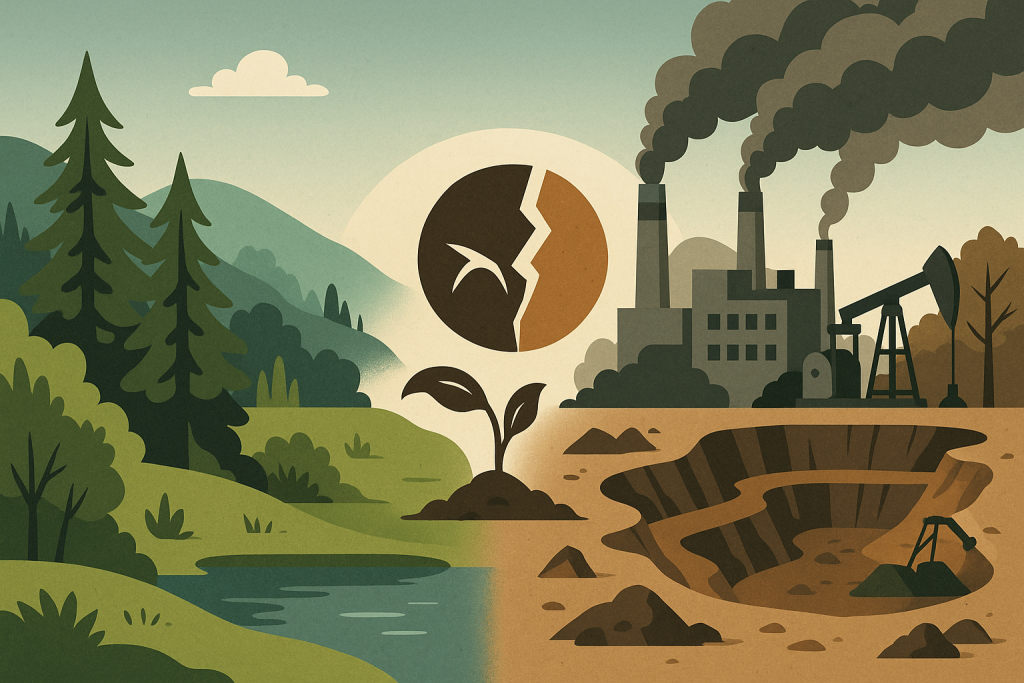
Batteries begin the trouble. Lithium, cobalt and nickel usually come from regions where environmental oversight is light and working conditions lighter still.
Mining scars landscapes, drains water tables, and, in extreme cases, exploits vulnerable communities—hardly a sustainable form of sainthood.
◼︎ Manufacturing adds another wrinkle. Building a mid-range EV can emit 11–14 tonnes of CO₂ before it leaves the factory.
How ‘green’ it becomes depends entirely on the electricity used to produce and charge it. Plug into a coal-heavy grid, and the moral glow dimly flickers.
◼︎ Then there’s daily life. EVs strain power networks at peak times.
Their added weight punishes roads. Tyre wear rises, sprinkling microplastics with every enthusiastic getaway.
Batteries degrade, recycling remains patchy, and replacements are priced like minor surgical procedures.
◼︎ This doesn’t mean EVs are the villain — only that they’re not the silver bullet often implied.
Hydrogen, better infrastructure, cleaner grids and ethical supply chains all matter.
◼︎ Why it matters:
Because real sustainability begins with honest accounting, not glossy promises.
📍 ‘Sustainability is grand — but not when it requires digging up half the periodic table.’
