
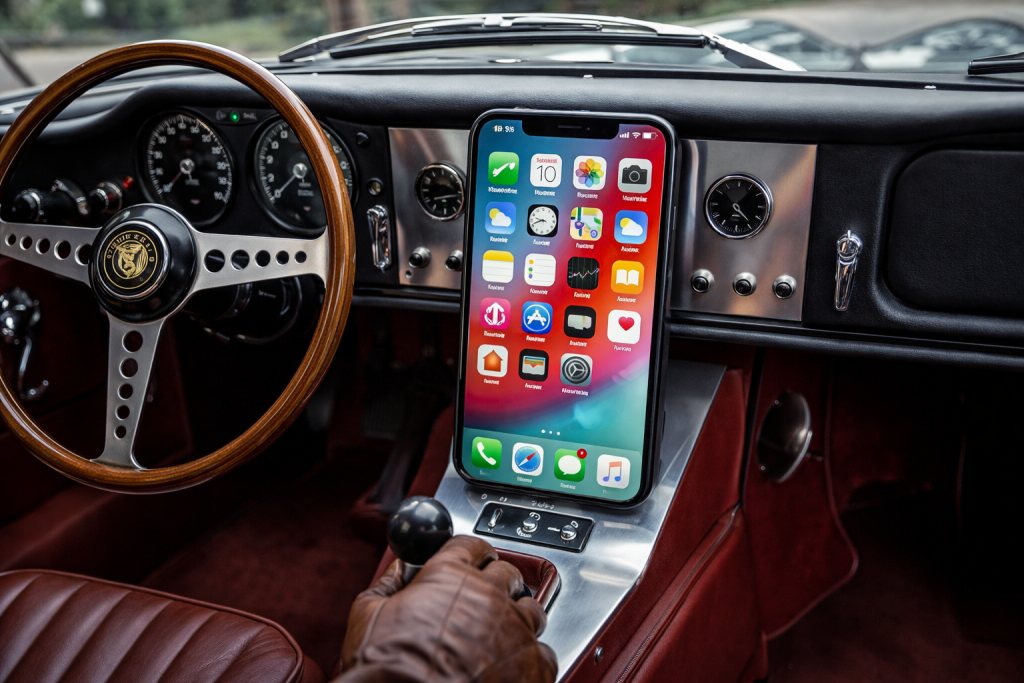
Your car now updates overnight… like a phone. That’s precisely the problem.
- Software-defined vehicles promise brilliance — and deliver irritation.
- Features appear, disappear, or hide behind subscriptions.
- The driving experience is no longer engineered — it’s version-controlled.
Progress, it seems, now comes with a loading screen.
Full Story
The pitch:
- Cars, reimagined as rolling software platforms.
- Continuous updates, new features, endless ‘improvement.’
- The promise: your car gets better while you sleep.
The reality:
- Menus buried within menus — essential controls now require a tutorial.
- Heated seats, performance modes, even horsepower… locked behind paywalls.
- Updates that change behaviour overnight — not always for the better.
What’s been lost:
- Mechanical honesty — what you bought is no longer what you own.
- Consistency — the car you mastered last week may feel different today.
- Simplicity — replaced by touchscreens and digital guesswork
The deeper irritation:
- A car is not a phone — it’s a machine you trust at speed.
- You don’t want ‘new features’ mid-corner.
- Nor do you want your driving experience dictated by a software patch.
The executive dilemma:
- Convenience vs control.
- Innovation vs permanence.
- Subscription revenue vs ownership satisfaction.
Why it matters:
- Great cars were once defined by engineering integrity.
- Now they risk becoming appliances with expiry dates.
- Residual values may follow software support, not craftsmanship.
The uncomfortable truth:
- The industry isn’t just building cars anymore.
- It’s building ecosystems — and charging admission.
Bottom line:
- Software should enhance a car, not redefine it.
- Because the finest driving machines were never downloaded
📍 ‘They were engineered, finished… and left well alone.’
